

How Packaging Influences the Preservation of Extra Virgin Olive Oil
You invest in a good extra virgin olive oil and then pour it into the first plastic oil dispenser you find, right next to the stove. This is the most common mistake in Spanish kitchens, and the most costly one: not in money, but in properties. In this article, we thoroughly analyze the three most common formats for serving and storing oil, compare their advantages and disadvantages, and add what few explain. The result: the most complete guide on how to protect your oil.
1. Why Does Packaging Matter More Than You Think?
Extra virgin olive oil is not just a fat: it is an ecosystem of highly sensitive bioactive compounds. Its polyphenols, oleocanthal, hydroxytyrosol, and vitamin E are responsible for all its health benefits. And they are precisely the first to disappear when the oil is not stored correctly. Oxidized oil loses flavor, aroma, and nutritional value. The choice of packaging is not an aesthetic matter: it is a health decision.
"Oil is like juice. If I leave it in the container for too long, it spoils. The longer it stays there, the more chances it has to deteriorate." — Oil quality and technology expert, El Español
2. The 4 Enemies of Extra Virgin Olive Oil
To choose the right packaging, you must first understand what you are protecting against:
- Light (photo-oxidation): Sunlight and artificial sources activate the oil's chlorophylls, which in the presence of light act as oxidation catalysts. Oil exposed to intense light can degrade in days. The best containers are opaque or made of very dark glass.
- Oxygen (oxidation): Each opening of the container introduces oxygen that reacts with the oil's fatty acids. The result is rancidity: the oil loses polyphenols and acquires unpleasant flavors and odors. An airtight seal is essential.
- Heat (thermal degradation): Temperatures above 25–30 °C accelerate oxidation and evaporate aromatic alcohols. The ideal storage temperature is between 14 and 20 °C. Never leave oil next to the stove or on a windowsill.
- Time and excessive quantity: A large container that is used infrequently comes into contact with oxygen every time it is opened. The optimal approach is to buy the amount that will be consumed in 2–3 months or transfer it to smaller containers to minimize the contact surface.
3. Classic Oil Dispenser: Advantages, Risks, and When to Use It
The classic table oil dispenser with a pouring spout is the most common format in Spanish homes. It offers real convenience, but it is the format that protects the oil least well if not used judiciously.
Advantages
- Precise dispensing: The pouring spout controls the stream better than an open original bottle.
- Convenience at the table: Design intended for daily use, ergonomic and elegant.
- Easy to clean: Glass or stainless steel models are dishwasher safe.
- Material versatility: The best ones are dark glass with an airtight seal: they combine convenience and protection.
Risks
- Light exposure: Most are made of transparent glass, which allows UV radiation to pass through.
- Contaminated spout: The spout accumulates oxidized oil residue that contaminates fresh oil. The spout should be cleaned at least once a week.
- Placement next to the stove: Constant light and heat. In a few weeks, the oil can degrade significantly.
- Incorrect refilling: Mixing old oil with new oil accelerates the degradation of the entire batch. Always empty completely before refilling.
“It is advisable to use an oil dispenser for daily consumption and leave the rest in its original container to preserve it better for longer.” — Ecoprolive
When to use it? The oil dispenser is ideal only for oil you will consume in the next 7–10 days. The best model is dark glass with an airtight seal. The rest of the oil should be kept in its original bottle in the cupboard.
4. Oil Spray: Convenient but with a Huge Trap
Sprays have become enormously popular in recent years. Their promise is appealing: a thin, uniform layer and calorie control. But there are fundamental differences between types that most blogs do not explain.
| Spray type | Mechanism | Oil quality | Recommendation |
|---|---|---|---|
| Industrial spray (supermarket) | Contains chemical propellants: butane, dimethyl ether, or alcohol. | Degraded – additives alter the composition of EVOO. | ❌ Avoid for frequent use |
| Reusable sprayer (glass / stainless steel) | Manual pressure. Uses only the oil you choose. No additives. | Good if cleaned well. The oil is pure and controlled. | ✅ Recommended with maintenance |
| Premium spray (continuous technology) | Ultrafine mist without aerosol. BPA-free glass, airtight seal. | Excellent – preserves polyphenols. Minimal and uniform application. | ✅✅ Highly recommended |
The big problem with spray for quality EVOO: Spraying increases the oil's contact surface with air, which accelerates oxidation of both the oil in the container and the applied oil. For a premium EVOO with a high concentration of polyphenols, spray is not the optimal storage format. If you use it, refill it in small quantities and empty it completely before refilling again.
“My personal experience has been disastrous. Some models work well at first, but it always ends up with an uncontrolled stream.” — Gastronomic expert, Directo al Paladar, 2024
5. Original Dark Glass Bottle: The Most Protective Option
The original bottle in which quality EVOO comes is, according to all experts, the best preservation format. The ranking of containers by their level of protection is as follows:
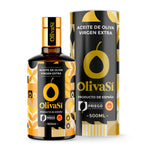
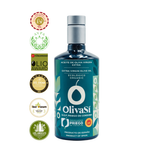
- Airtight dark glass: Blocks UV light, is impermeable to oxygen, and does not chemically interact with the oil. If the seal is airtight, it is the ideal format for preserving EVOO for months. The color (blue, green, amber) determines how much it blocks.
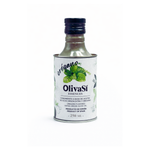
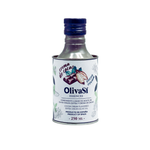
- Metal can: Completely blocks light. Its only weak point is the headspace (air between oil and cap) that remains when partially opened. Excellent for long-term storage unopened.
- Clear glass (with dark cupboard): Less protection from light. Acceptable if always stored in a dark cupboard and consumed within a few weeks.
- Transparent PET plastic: The worst. Permeable to oxygen and light. Can leach microplastics into the oil. If you have no alternative, store it in a cardboard box inside the cupboard.
“The dark glass bottle ranks first as the best container for storing extra virgin olive oil.” — Olive oil technology expert, El Español
6. Definitive Comparative Table: The 3 Formats
| Criterion | Classic Oil Dispenser | Reusable Spray | Original Dark Glass Bottle |
|---|---|---|---|
| Protection from light | Medium – depends on material | Low – usually translucent | High – blocks UV |
| Protection from oxygen | Medium – variable seal | Low – oxidizes with each use | High – airtight |
| Protection from heat | Medium | Low | High – stable |
| Quantity control | Medium | Very high – fine mist | Low |
| Preservation of polyphenols | Medium-low | Low | High |
| Risk of contamination | High – dirty spout | Medium – nozzle | Low |
| Necessary maintenance | Clean spout weekly | Clean nozzle after use | Close cap tightly |
| Ideal for | Daily table use | Precision cooking | Long-term storage |
| Overall rating | 3/5 | 3/5 | 5 / 5 ⭐ Best option |
7. The Verdict: Which Damages the Oil Least
The answer is not unique because it depends on the use. The optimal strategy is to combine formats:
- ✅ Original dark glass bottle = optimal preservation (storage).
- ✅ Airtight glass oil dispenser = daily table use.
- ✅ Reusable spray without propellants = precision and calorie control.
- ❌ Industrial supermarket spray = avoid: contains chemical additives.
- ❌ Never leave EVOO in the sun, next to the stove, or in transparent plastic.
Store the bulk of your oil in its original dark glass bottle in a cupboard, transfer only what you'll use in 7–10 days to a glass oil dispenser with a good seal, and if you use spray, make sure it's reusable, made of glass or stainless steel, without chemical propellants, and refilled with your own EVOO.
8. Health Benefits of EVOO: Complete Guide
The compounds that are lost when EVOO oxidizes are precisely those that science has identified as most beneficial for the body:
| Benefit | What it provides to the body | Key compound |
|---|---|---|
| Cardiovascular health | Reduces LDL cholesterol, raises HDL. The PREDIMED study showed –30% cardiac risk. | Oleic acid + polyphenols |
| Brain protection and memory | Improves memory, attention, and executive function. –28% risk of dementia (Harvard 2024). | Oleocanthal + hydroxytyrosol |
| Natural anti-inflammatory | Inhibits COX-1 and COX-2 like ibuprofen, without side effects. | Oleocanthal |
| Cellular antioxidant | Neutralizes free radicals that damage DNA and accelerate aging. | Vitamin E + polyphenols |
| Digestive health / microbiota | Promotes bacterial diversity. Protects the brain through the gut-brain axis. | Multiple polyphenols |
| Glycemic control | Improves insulin sensitivity. Prevents type 2 diabetes. | Oleic acid |
| Bone health | Improves calcium absorption and bone mineralization. | Polyphenols + monounsaturated fats |
| Anticancer effect | Oleocanthal induces tumor cell death without affecting healthy cells (preliminary studies). | Oleocanthal |
Scientific studies supporting this
- Harvard TH Chan, 2024: Consuming more than half a tablespoon of EVOO daily is associated with a 28% lower risk of dying from dementia. N=92,383 people, 28-year follow-up.
- PREDIMED Study (Spain): More than 7,000 participants showed cognitive improvement and a 30% reduction in cardiac risk with a Mediterranean diet supplemented with EVOO.
- Universitat Rovira i Virgili, 2026: 656 adults over 2 years: those who consumed EVOO performed better in memory, attention, and executive function compared to refined oil.
- Temple University (USA): Oleocanthal activates neuronal autophagy, the mechanism that removes beta-amyloid plaques associated with Alzheimer's.
- Spanish Heart Foundation: EVOO polyphenols have a cardioprotective effect against arteriosclerosis, reducing the risk of heart attack and hypertension.
«Extra virgin not only protects the heart, it can also help preserve the brain in aging.» — Prof. Jordi Salas-Salvadó, principal investigator URV/IISPV, 2026
9. How to properly store oil at home
The golden rules that all experts agree on:
- Dark glass container or airtight can: Never in clear plastic. Blue, green or amber glass blocks UV radiation. Make sure the seal is airtight.
- Temperature between 14 and 20 °C: Away from the hob, oven and window. An interior kitchen cabinet is the ideal place. A wine cellar, perfect.
- Airtight seal after each use: One minute of contact with air can initiate oxidation if the oil is already partially degraded. Always close tightly.
- Small containers for daily use: Transfer from large jerry cans or bottles to 250–500 ml formats. Less surface area of contact with air at each opening.
- Away from foods with strong odors: EVOO easily absorbs odors. Do not store it next to strong spices, cured cheeses or cleaning products.
- Consume within 18 months of bottling: It does not expire, but it has a best-before date. After that date it is still safe but may have lost polyphenols and aromatic nuances.
- Never mix old oil with new oil: Oxidized oil contaminates fresh oil. Completely empty the container before refilling and clean the inside well.
- Clean the oil dispenser spout weekly: The spout accumulates oxidized residues that can contaminate fresh oil. A little absorbent paper or warm water is enough.
10. Frequently Asked Questions (FAQ)
Can I reuse the original bottle as an oil dispenser?
Yes, it's even the most recommended. The original bottle is already designed to protect the oil. Just make sure to clean the spout well and always close the cap. Avoid leaving it next to the hob or exposed to light.
Are supermarket oil sprays healthy?
It depends on the type. Industrial sprays (Bertolli, Carbonell spray...) contain chemical propellants such as butane or dimethyl ether that are not found in pure oil. For frequent use, a reusable glass spray bottle with your own quality EVOO is much better.
What is the worst container for olive oil?
Clear plastic is the worst: permeable to oxygen and light, the two main enemies of oil. If you have no other option, store the bottle in a dark cupboard and consume it quickly.
How long does oil last in a table oil dispenser?
On the countertop with light and heat, the oil can start to degrade in a few weeks. The ideal is to fill only the amount for 7–10 days, clean the spout weekly, and store the oil dispenser in a cupboard when not in use.
Does a metal can protect better than dark glass?
Technically the can blocks light better, but it has more head space (air between the oil and the cap), which can increase oxidation. Airtight dark glass, properly stored, is equivalent or superior in practice and is also reusable and recyclable.
What is the ideal temperature for EVOO storage?
Between 14 and 20 degrees Celsius. Away from the hob, radiators and sunny windows. If you have a wine cellar, it's the perfect place. In the fridge, the oil becomes cloudy but is not damaged: it regains its appearance when it returns to room temperature.