
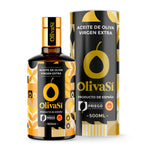
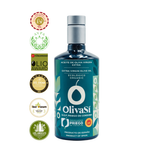

Discover why EVOO is the ultimate expression of olive oil
Featured snippet paragraph — direct answer within the first 100 characters
Extra Virgin Olive Oil (EVOO) is the highest quality pure olive juice. It is obtained exclusively by mechanical procedures, without heat or chemicals, with an acidity equal to or less than 0.8° and without any defects in tasting. It is, along with virgin olive oil, the only one that can be called authentic "olive juice".
In this article you will find everything you need to know about EVOO: what makes it different, how it is produced, what are its health benefits, and how to choose a truly quality one.
What EVOO is according to European regulations
The European Union regulates the classification of olive oil through Regulation (EC) No. 1234/2007. According to this regulation, for an oil to be classified as extra virgin, it must simultaneously meet two requirements:
-
Chemical criterion: free acidity, expressed as oleic acid, cannot exceed 0.8 degrees.
-
Organoleptic criterion: in the official tasting carried out by a panel of experts, the median of the defect must be equal to zero, and the median of the fruity attribute must be greater than zero.
Both conditions are mandatory. If an oil has perfect acidity but presents any appreciable defect in the nose or mouth —rancidity, mold, humidity, sediment, sourness, etc.—, it cannot be classified as extra virgin, even if the acidity figure on the label is very low.
Differentiating data from competitors: most only mention acidity. Explaining the organoleptic criterion triggers the featured snippet.
How extra virgin olive oil is produced
The key to EVOO lies in its production process: from the field to the oil mill, each step determines whether the oil reaches the extra virgin category or not.
1. Cultivation and harvesting
Olives must be harvested at the optimal point of ripeness —generally between October and December in Andalusia— directly from the tree, never from the ground. Late harvesting or olives damaged by pests or bruising cause oxidation and raise the acidity of the resulting oil.
Early harvest EVOOs —made from green olives that are not yet fully ripe— concentrate more polyphenols, have greater intensity, and are the most valued by professional tasters.
2. Cold pressing
Once harvested, olives must be processed as soon as possible —ideally within 24 hours— to prevent fermentation. Extraction is carried out at a temperature below 27°C, which ensures that the oil retains all its antioxidants, aromas, and polyphenols. This process is called cold extraction or cold pressing.
3. Decantation and filtering
After extraction, the oil is separated from the vegetation water by centrifugation and decantation. Some producers market it unfiltered —with a cloudy appearance and more intense— while others filter it to extend its shelf life and stabilize the flavor.
Differences between extra virgin olive oil and virgin olive oil
These are the key differences between the two highest quality categories on the market:
|
Import |
EVOO (Extra Virgin) |
Virgin Olive Oil |
|
Maximum acidity |
≤ 0.8° |
≤ 2.0° |
|
Tasting defects |
None (median = 0) |
Allows levels (≤ 2.5) |
|
Process |
Mechanical, without heat |
Mechanical, without heat |
|
Polyphenols |
Higher concentration |
Lower concentration |
|
Extraction temperature |
< 27°C (cold) |
May be higher |
|
Ideal use |
Raw, salads, bread |
Cooking, light frying |
|
Indicative price |
Higher |
Intermediate |
Comparison table: activates rich snippets and increases dwell time on the article.
Health benefits of extra virgin olive oil
EVOO is the fatty pillar of the Mediterranean diet and one of the most studied foods by nutritional science. These are its main documented benefits:
Rich in natural polyphenols and antioxidants
EVOO contains more than thirty types of phenolic compounds, among which hydroxytyrosol, oleocanthal, and oleuropein stand out. These polyphenols have anti-inflammatory, neuroprotective, and antimicrobial properties, and are responsible for the characteristic peppery sensation in the throat you feel when consuming it.
Why EVOO makes your throat tingle = PAA keyword with high visibility on Google. Include it in this section or in the FAQ section.
Cardiovascular protection
The PREDIMED study, carried out in Spain with more than 7,000 participants over five years, showed that a diet rich in EVOO significantly reduces the risk of myocardial infarction, stroke, and cardiovascular death. The FDA and the European Food Safety Authority recommend a daily consumption of about 20g —about two tablespoons— to obtain these benefits.
Healthy fats: oleic acid
EVOO is rich in monounsaturated fatty acids, mainly oleic acid. This type of fat helps reduce LDL cholesterol (the "bad" cholesterol) and raise HDL (the "good" cholesterol), contributing to maintaining healthy blood pressure.
Vitamin E and antioxidant effect.
The vitamin E contained in EVOO prevents the oxidation of LDL cholesterol, curbing the formation of atheroma plaques that can obstruct arteries. In addition, it acts as a cellular antioxidant, helping to slow down premature aging.
How to choose a truly quality EVOO
Not all extra virgin olive oils are created equal. These are the keys to distinguishing a superior quality EVOO:
-
Look for the harvest date on the label, not just the expiration date. An EVOO from the current year is fresher and more aromatic.
-
Low acidity (below 0.4°) is a good sign, but not enough on its own. It is a chemical laboratory data that you cannot perceive with the palate.
-
If it tingles in the throat and is slightly bitter, it's an excellent sign: those are the polyphenols at work. An EVOO without tingling or bitterness usually has a lower concentration of antioxidants.
-
Look for oils with Protected Designation of Origin (PDO). In Andalusia, the PDOs Priego de Córdoba, Baena, Sierra Mágina, or Estepa guarantee traceability and audited quality standards.
-
Prefer packaging in dark bottles or cans. Light and heat degrade polyphenols and accelerate oil oxidation.
-
Consult awards such as the EVOOLEUM Top 100 or the Mario Solinas from the International Olive Council: these are the most reliable recognitions in the sector worldwide.
What extra virgin olive oil is used for in cooking
EVOO has a smoke point between 190°C and 210°C, which makes it perfectly suitable for both raw use and for cooking and frying at normal domestic cooking temperatures.
-
Raw: in salads, on toast, in gazpacho, in carpaccios, or simply for dipping with bread. This is where its aromas and varietal nuances are best appreciated.
-
For cooking: sautéing, sofritos, stir-frying, and medium-heat preparations. It retains its properties better than other vegetable oils under these conditions.
-
For frying: contrary to popular belief, EVOO is one of the most stable oils for frying thanks to its high oleic acid content. The Picual olive, for example, is especially heat resistant.
Main varieties of extra virgin olive oil in Spain
Spain produces more than 200 varieties of olives, but these are the most representative in the market:
-
Picual: the most cultivated variety in the world, especially in Jaén and Cordoba. Intense oil, with herbaceous notes, characteristic bitter and spicy taste, and great oxidative stability. Perfect for frying.
-
Hojiblanca: native to Malaga and Cordoba. Balanced flavor, with sweet and fruity notes, less pungent. Very versatile in cooking.
-
Arbequina: typical of Catalonia and Aragon, although widespread throughout Spain. Smooth, fruity oil, with notes of apple and almond. Ideal for those who prefer delicate flavors.
-
Cornicabra: very common in Toledo and Ciudad Real. Very stable oil, with a good concentration of polyphenols and intense flavor.
-
Manzanilla: mainly cultivated in Seville. Smooth oil, with an intense green fruitiness.
Frequently Asked Questions about Extra Virgin Olive Oil (FAQ)
This section activates the 'Other questions' (PAA) boxes in Google. Add Schema Markup FAQ to your CMS for maximum visibility.
Is EVOO the same as extra virgin olive oil?
Yes. EVOO stands for Extra Virgin Olive Oil. It is exactly the same product category, simply expressed in an abbreviated form. The term EVOO is commonly used by professionals in the olive oil sector and specialized consumers.
Why does extra virgin olive oil sting in the throat?
The stinging sensation in the throat caused by EVOO is a direct consequence of oleocanthal, a natural polyphenol with anti-inflammatory properties similar to ibuprofen. The more it stings, the higher the concentration of this beneficial compound. It is a sign of quality, not a defect.
How much extra virgin olive oil can you consume per day?
The general recommendation from the FDA and European food safety agencies is about two tablespoons per day (approximately 20 grams) to obtain its cardiovascular benefits. The traditional Mediterranean diet includes its daily consumption both raw and cooked.
Does extra virgin olive oil raise cholesterol?
No. EVOO has the opposite effect: its oleic acid and polyphenol content helps reduce LDL cholesterol (the bad kind) and raise HDL (the good kind). It is the oil most recommended by cardiologists and dietitians for diets focused on cardiovascular health.
Can you fry with extra virgin olive oil?
Yes. EVOO has a high enough smoke point for common domestic frying (between 170°C and 190°C). Furthermore, its chemical stability at high temperatures is superior to that of many seed oils. Varieties rich in polyphenols, such as Picual, are especially recommended for frying.
How should extra virgin olive oil be stored?
EVOO should be stored away from direct light, away from heat sources, and with the container tightly closed to prevent oxidation. The ideal storage temperature is between 15°C and 20°C. Once opened, it is ideal to consume it within two to three months to enjoy its best organoleptic qualities.
Conclusion
Extra virgin olive oil is much more than a cooking ingredient: it is the food with the highest concentration of natural antioxidants in the Mediterranean diet and the only vegetable oil whose quality is regulated by both chemical and sensory criteria.
Understanding what EVOO is, how it is produced, and what information to read on the label allows you to make better choices. And if you are looking for quality of origin, Andalusia —with Designations of Origin such as Priego de Córdoba, Baena, or Estepa— produces some of the best extra virgin olive oils in the world.