
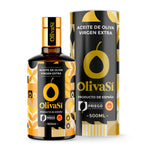
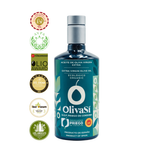
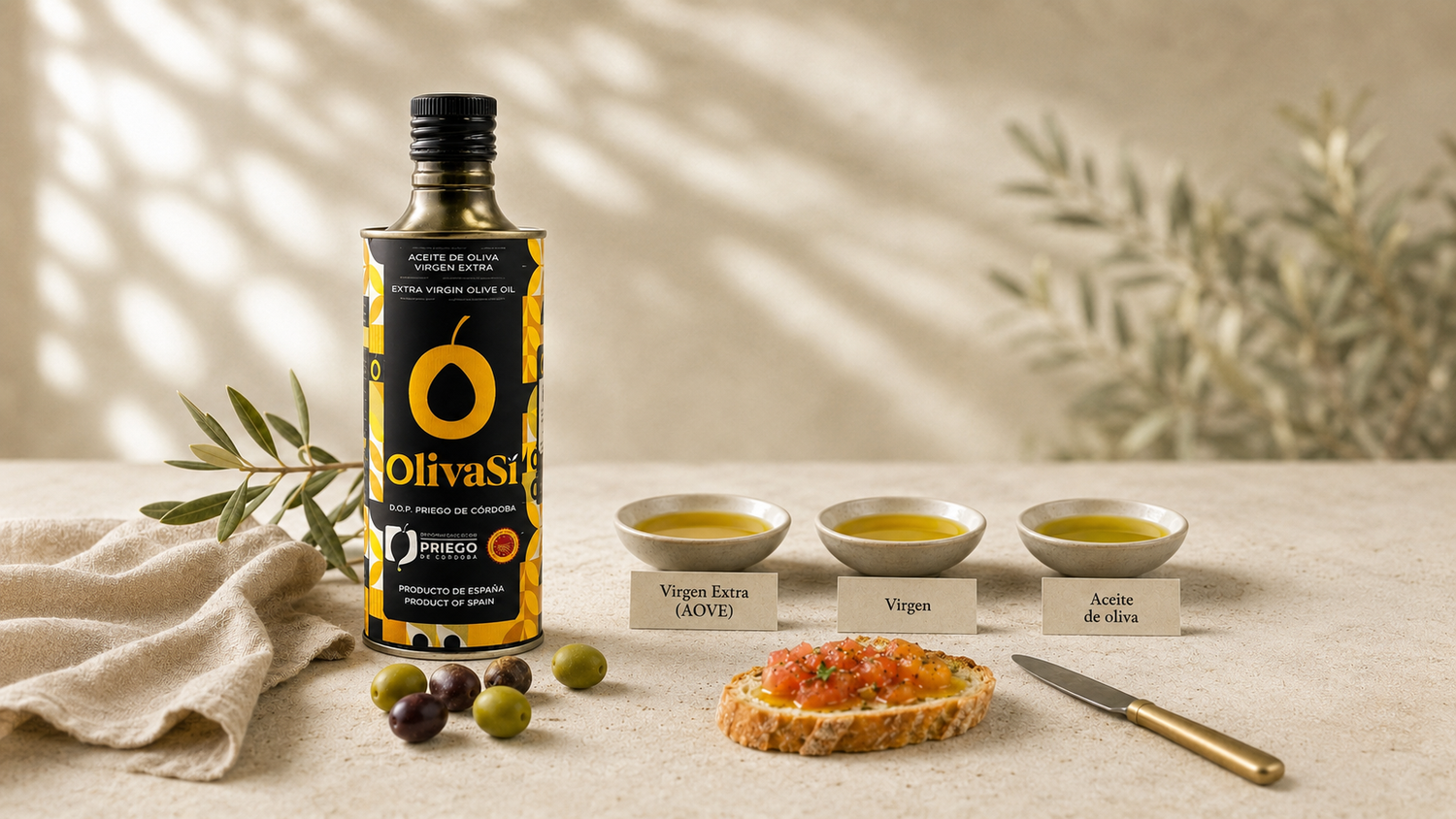
The ultimate guide to understanding the differences and choosing the perfect oil for every use
If you've ever seen "extra virgin," "virgin," and "olive oil" (mild or intense) and thought they were all the same, here's the definitive guide to understanding them in 5 minutes and making the right choice for each use.
Quick summary (to decide in 10 seconds)
-
Raw (salads, toast, finishing dishes): EVOO (extra virgin olive oil).
-
Daily cooking (sautéing, stews, oven): EVOO or virgin, depending on taste and budget.
-
Frying and looking for a more neutral flavor and price: many people choose "olive oil" (blend).
What is EVOO (extra virgin olive oil)
EVOO is the highest category within virgin oils. It is obtained solely by mechanical means (unrefined) and must also pass chemical controls and a sensory evaluation (tasting) without defects.
On the label, you'll recognize it because it literally says: "extra virgin olive oil."
What is virgin olive oil
Virgin olive oil is also "olive juice" (unrefined), but its sensory quality may be slightly lower: it may present minor defects and a less clean aromatic profile than an extra virgin.
On the label, you'll see it as: "virgin olive oil."
What is "olive oil" (plain) and why it's so confusing
Here's the biggest mess: "olive oil" without "virgin" or "extra virgin" is usually a blend of refined olive oil + a portion of virgin oils.
That's why it usually has a more neutral aroma and flavor. It's not "the same" as an extra virgin, even if the name sounds similar.
Comparison table: EVOO vs. virgin vs. olive oil (the one that really helps)
|
Type |
How it's obtained |
Flavor profile |
Ideal for |
|
Extra virgin (EVOO) |
Mechanical only (unrefined) |
More aromatic, fruity, clean |
Raw, finishing dishes, flavorful cooking |
|
Virgin |
Mechanical only (unrefined) |
Less intense or with slight defects |
Daily cooking, stews, sautéing |
|
Olive oil (blend) |
Refined + virgin |
More neutral |
Frying, neutral cooking, budget |
"Mild" and "intense": what almost no one explains well
"Mild" and "intense" usually appear on "olive oil" (blend). It does not mean it's EVOO. It usually describes the final character of the blend: more neutral ("mild") or with a bit more presence ("intense").
How to choose without making a mistake
-
If you're going to use it raw or for the oil to be the star → EVOO.
-
If you're going to use it for daily cooking and want a good balance of quality/price → virgin or EVOO.
-
If you're looking for a neutral flavor for frying and cost control → olive oil (blend).
What to look for on the label to buy well
-
That it explicitly says "extra virgin," "virgin," or "olive oil" (they are not the same).
-
Origin (and if it has a PDO, even better for traceability).
-
Bottling date and/or campaign/harvest if shown (freshness).
-
Packaging that protects from light (oil is damaged by light and heat).
-
Storage instructions (cool place, away from light and heat).
Common myths that lead to bad purchases
-
"More acidity = more flavor" → No. Acidity is not "spiciness" or "bitterness."
-
"Olive oil = extra virgin" → No. "Olive oil" is usually a blend.
-
"Virgin and extra virgin are made differently" → They are obtained similarly (mechanically), but they differ in final quality.
Practical recommendation by use (real cooking)
-
Salads, toast, tomato, burrata, finishing creams: EVOO.
-
Stews, sautéing, oven, griddle: virgin or EVOO.
-
Mayonnaise/aioli: EVOO if you want character; if you want it mild, choose a more neutral oil.
-
Frying: many people use "olive oil (blend)" for neutrality and cost.
Why EVOO is usually the premium option
Because it's the most demanding category among virgin oils: it usually provides a better aroma, greater sensory cleanliness, and a more "round" experience when raw. If you really want to notice a difference, it's most noticeable in toast, salads, and finishing touches.
Frequently Asked Questions: what oil to buy based on your use (and how to get it right)
-
What is better, extra virgin or virgin?
Generally, extra virgin due to higher sensory quality requirements. -
What does "olive oil" plain mean?
Normally, a blend of refined + virgin oils, with a more neutral flavor. -
Is extra virgin or olive oil better for frying?
It depends on the goal: EVOO if you want flavor, olive oil (blend) if you're looking for neutrality and cost. -
Is "mild" and "intense" EVOO?
Normally not: it's usually olive oil (blend). -
Which is best for salads?
EVOO, because the flavor and aroma are much more noticeable when raw. -
How to store oil so it doesn't spoil?
Away from light, heat, and air; tightly sealed and in a cool place.
If you want to notice the difference today, do this test: bread + tomato + salt and compare an EVOO with a virgin and an olive oil (blend). When raw, the difference is understood in 10 seconds.