
Why olive oil can help you manage cholesterol if you use it correctly
When someone searches for "olive oil cholesterol," they usually want a very specific answer: whether they can consume it, if it really helps, and which type they should choose. The useful answer isn't to spread hype or repeat the usual clichés. The important thing is to understand that olive oil can fit very well into a diet aimed at managing cholesterol, especially when it replaces less healthy fats and is integrated into a balanced diet. MedlinePlus and the American Heart Association recommend prioritizing unsaturated fats and using liquid vegetable oils, such as olive oil, instead of solid fats like butter, lard, or certain margarines.
If you have high cholesterol, can you consume olive oil?
Yes, generally speaking, you can. Having high cholesterol doesn't mean you have to eliminate all fat from your diet, but rather choose better fats to use daily. This is where olive oil makes sense: it's an unsaturated fat, which usually fits better into a heart-healthy diet than the saturated fats found in butter, fatty processed meats, or ultra-processed products. MedlinePlus includes it among the options that should be used instead of less recommended fats.
How olive oil affects cholesterol
Olive oil stands out for its monounsaturated fat profile. This type of fat is associated with a dietary pattern more favorable for cholesterol control when it replaces other fats with a worse profile. MedlinePlus explains that replacing saturated fats with unsaturated fats can help reduce LDL, and the American Heart Association insists that the type of fat you eat directly influences your cholesterol levels.
However, it's important to be clear: olive oil doesn't work as a magical solution on its own. Its real value emerges when it's part of a better-planned dietary pattern, with more vegetables, legumes, fish, whole grains, and fewer highly processed products. MedlinePlus positions olive oil as the primary fat within the Mediterranean pattern, not as an isolated remedy.
The real benefit lies in what you substitute
This is the point most often overlooked in many articles. It's not enough to add olive oil "because it's healthy" if the rest of your diet remains the same. What makes a difference is using it instead of butter, fatty sauces, solid margarines, or frequent fried foods. The American Heart Association indicates that replacing saturated fats with unsaturated options like olive oil helps reduce cardiovascular risk, and MedlinePlus recommends cooking with olive oil instead of butter or margarine.
Practically speaking: it makes much more sense to use EVOO on toast instead of butter, dress a salad with it, cook vegetables, legumes, or fish with olive oil, and displace other less beneficial fats. Even data released by the AHA suggests that consuming more olive oil is associated with a lower risk of cardiovascular disease, especially when it replaces butter, margarine, or mayonnaise.
What type of oil to choose if you want to manage cholesterol
If you're looking to manage cholesterol, extra virgin olive oil is usually the most interesting option within the world of olive oil. Not just for its flavor or perceived quality, but because it fits better into a more natural and less refined dietary approach. On a popular level, it's also the option that best connects with a reader who truly wants to take care of themselves and not just settle for "any oil will do." The Mediterranean diet described by MedlinePlus positions olive oil as the main fat for preparing foods.
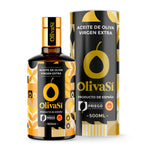
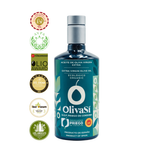
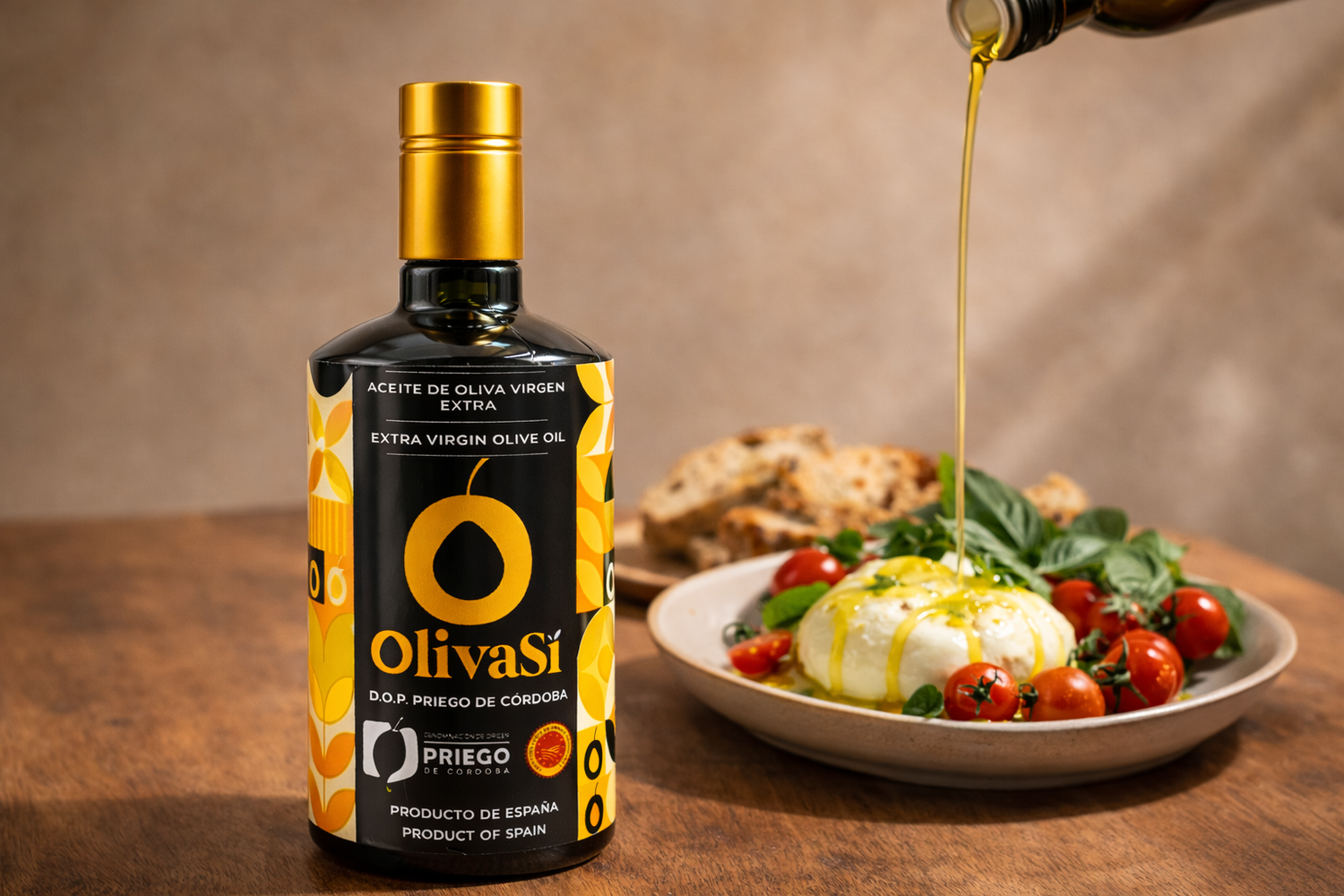
Editorially, this point is also important for SEO: many articles answer whether olive oil is "good or bad" for cholesterol, but they don't elaborate much on what to actually choose. This is where a brand like Oliva Sí can add more value: not just answering the question, but helping people make better choices.
How much to consume and how to incorporate it without overdoing it
Rather than obsessing over an exact amount, it's most useful to think of olive oil as the primary fat for everyday use. It can be in breakfast, salads, vegetables, hummus, legumes, fish, or simple cooking preparations. The evidence and healthy eating guidelines lean more towards incorporating it as a stable habit within a balanced diet than turning it into an isolated spoonful "for health."
The American Heart Association has published observational studies where consumption greater than half a tablespoon daily was associated with a lower cardiovascular risk, but the useful message for a blog article is not to sell a miraculous dose, but to reinforce a better-planned eating habit.
Is it better raw or cooked with?
Raw, it truly shines, both in aroma and flavor. But cooking with olive oil also makes perfect sense, and in fact, MedlinePlus and AHA recommendations align with using liquid vegetable oils like olive oil in daily cooking instead of solid fats. So there's no need to reserve it just for dressing: it can also be your base fat when sautéing, grilling, or cooking everyday dishes.
The most important idea here is not whether it's better raw or cooked, but that it's the option that consistently displaces less healthy habits. That, on a practical level, is worth much more than any isolated advice.
Common mistakes when using olive oil for cholesterol
The first mistake is to think that simply adding olive oil is enough. The second is to believe that any oil serves the same purpose without considering the overall quality of the diet. And the third is to expect results without changing other habits. The American Heart Association reminds us that managing cholesterol involves looking at the whole picture: type of fats, quality of diet, physical activity, smoking, weight, and, when appropriate, prescribed treatment.
Therefore, olive oil adds a lot, but it doesn't compensate for a poor diet on its own. Used correctly, it can indeed be part of a smart and sustainable strategy.
When to consult a professional
If you have persistently high cholesterol, a family history, other risk factors, or are already under medical supervision, it's reasonable for olive oil to be part of the plan, but not the entire plan. The American Heart Association reminds us that some people improve with lifestyle changes, while others also need medication or professional monitoring.
Conclusion
Olive oil does make sense if you want to manage cholesterol, but its real value isn't in a quick promise. It lies in something much more useful: substituting less healthy fats, improving the quality of your diet, and making it a daily habit that you can maintain. That's where it truly makes a difference.